
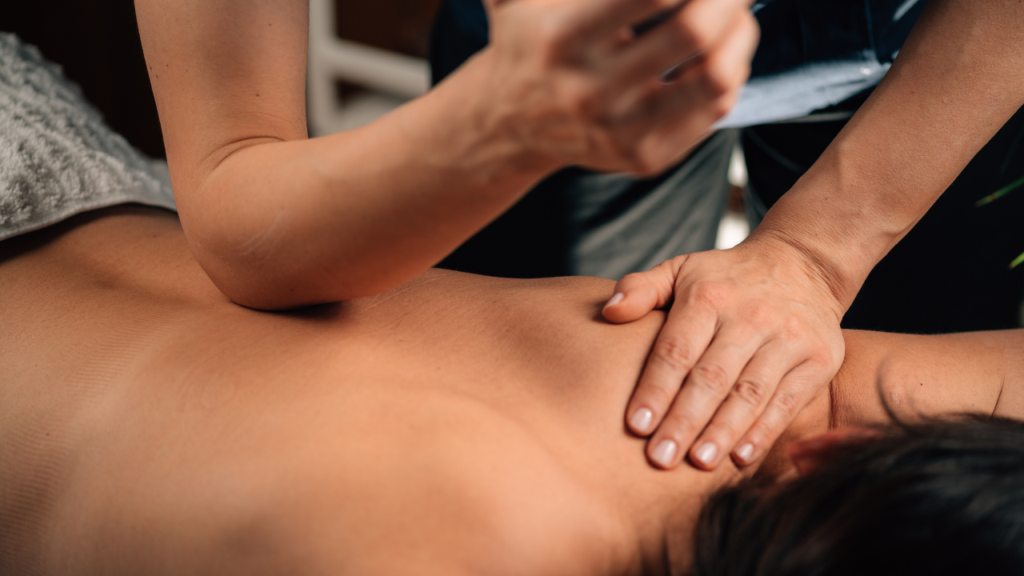
Swedish vs Deep Tissue Massage is the most frequent comparison requested by corporate professionals, executives, and residents around Banani and Gulshan searching for therapeutic relief. In the fast-paced urban environment of Dhaka, chronic back pain, mental fatigue, and posture strain are common challenges. When searching for professional bodywork, both treatments offer immense wellness benefits, but they operate on completely different mechanical, anatomical, and physiological levels.
Choosing between a gentle session and deep tissue work dictates your overall recovery experience. This comprehensive guide breaks down the 7 expert differences in a Swedish vs Deep Tissue Massage, exploring their techniques, benefits, pressure levels, and post-session aftercare to help you make an informed decision for your next visit to Gulshan Spa One.
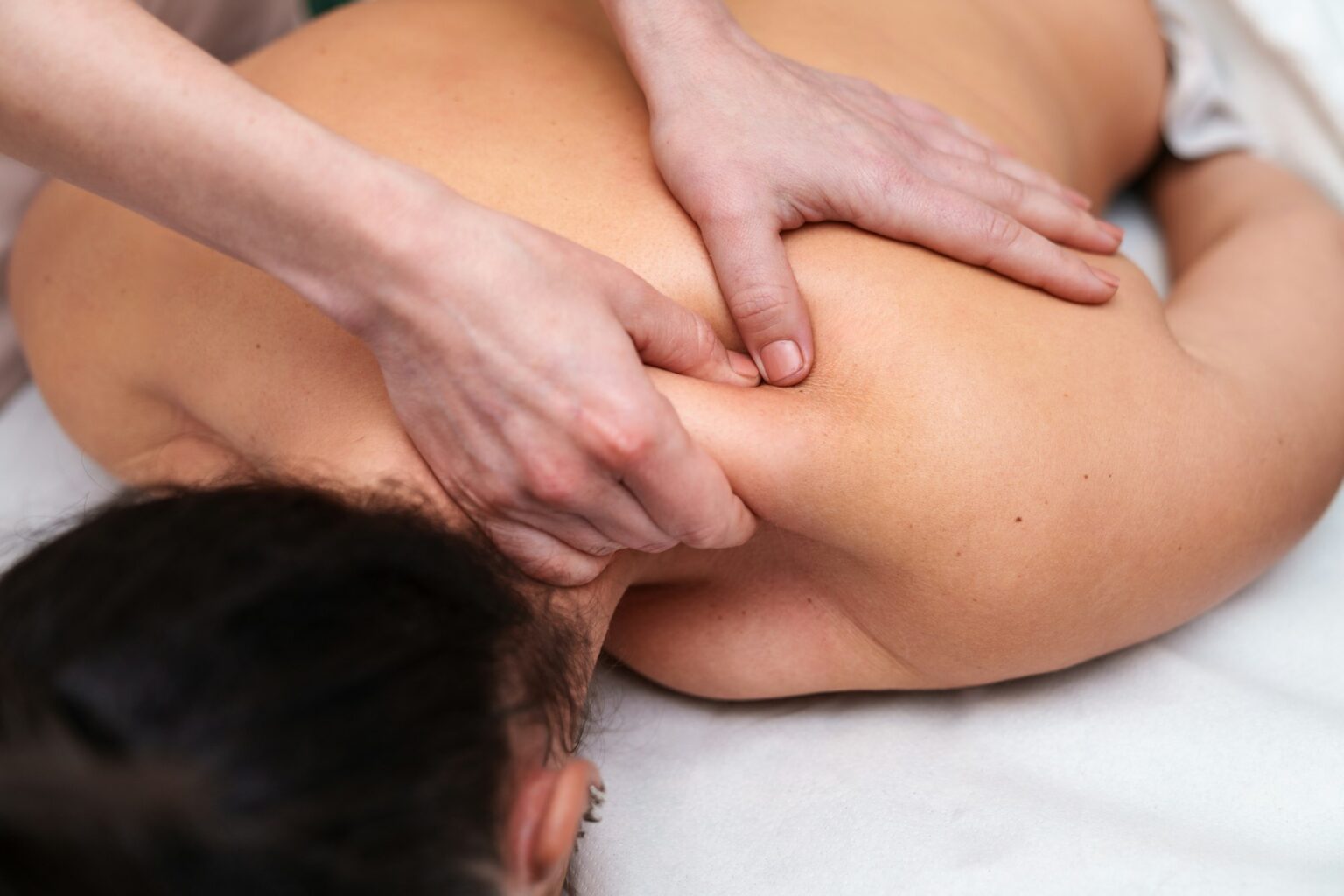
What Is the Main Difference in Swedish vs Deep Tissue Massage?
Before comparing their specific differences, it is essential to understand the core philosophy and mechanical framework of each discipline.
What is Swedish Massage?
Developed in the early 19th century, Swedish massage is the foundational standard of classic Western bodywork. It was engineered specifically to relax the entire body, improve blood circulation, and soothe nervous system fatigue.
Swedish massage works primarily on the superficial layers of muscles—the top muscle tissue directly beneath the skin and subcutaneous fat layer. According to medical research published by the National Center for Biotechnology Information (NCBI) gentle Western massage therapy significantly lowers cortisol levels while boosting parasympathetic activity. By utilizing long, continuous gliding strokes, gentle kneading, and rhythmic tapping, Swedish massage stimulates peripheral nerve endings and accelerates lymphatic drainage without penetrating deep into rigid connective tissue.
Key techniques used in Swedish massage include:
Effleurage: Smooth, sweeping strokes that glide along the contours of the body to warm up muscle tissues, distribute oil, and ease the central nervous system.
Petrissage: Gentle squeezing, lifting, and kneading of large muscle groups (such as the calves, thighs, and upper back) to release surface-level tension.
Friction: Light circular or crosswise rubbing designed to generate localized warmth and increase superficial blood flow.
Tapotement: Rhythmic, soft percussion using cup-shaped hands or edges of the palms to invigorate tired muscles.
Vibration: Rapid, gentle shaking of specific muscular areas to relax nervous tension and encourage immediate physical lightness.
What is Deep Tissue Massage?
Deep Tissue massage evolved from structural integration and sports therapy traditions. Unlike Swedish massage, which focuses on surface relaxation, Deep Tissue therapy is a functional, corrective procedure designed to realign deeper layers of muscles and fascia (the dense connective tissue surrounding muscles, bones, and joints).
Over time, chronic stress, poor desk posture, micro-injuries, and repetitive motion lead to the formation of adhesions—commonly known as “knots.” As detailed in clinical guides by the Mayo Clinic Massage Therapy Resources, structural massage helps stretch hardened collagen fibers and restore mobility in injured tissues.
Deep Tissue massage breaks down these rigid adhesions by applying sustained pressure and slow, deliberate strokes perpendicular or parallel to the grain of the muscle fibers. Therapists utilize their thumbs, knuckles, forearms, and elbows to access underlying structural layers that conventional massage strokes cannot reach.
Key techniques used in Deep Tissue massage include:
Deep Stripping: Sustained, intense sliding pressure applied along the length of muscle fibers using forearms or elbows.
Cross-Fiber Friction: Direct pressure applied back and forth across muscle grains to break apart dense scar tissue and chronic knots.
Myofascial Release: Sustained manual stretch and compression applied to tight connective fascia to restore elasticity and natural range of motion.
Trigger Point Therapy: Focused pressure applied directly to hyper-irritable spots within muscle tissue to deactivate pain referral patterns.
Swedish vs Deep Tissue Massage: 7 Expert Differences Detailed
Let us examine the core differences that distinguish these two world-class bodywork treatments.
       SWEDISH MASSAGE                     DEEP TISSUE MASSAGE
┌─────────────────────────────┐     ┌─────────────────────────────┐
│ • Superficial Muscle Layers │     │ • Deep Fascia & Adhesions   │
│ • Gentle to Medium Pressure │     │ • Firm to Intense Pressure  │
│ • High Volume Warm Oil      │     │ • Minimal Friction Balm     │
│ • Nervous System Rest       │     │ • Structural Rehabilitation │
└─────────────────────────────┘     └─────────────────────────────┘
1. Primary Therapy Goal & Physiological Impact
The primary objective dictates every technique, movement, and stroke applied during your session.
Swedish Massage (Nervous System Reset): The principal goal of a Swedish massage is to transition your body from a state of hyper-vigilance—the sympathetic “fight-or-flight” stress response—into the parasympathetic “rest-and-digest” state. It reduces circulating levels of cortisol while stimulating the production of serotonin and dopamine. It is an ideal preventative therapy for mental burnout, mild insomnia, and everyday workplace fatigue.
Deep Tissue Massage (Structural Rehabilitation): The primary goal of a Deep Tissue massage is physical rehabilitation and structural realignment. It focuses on resolving chronic physical dysfunction, severe muscular tightness, limited joint mobility, and structural imbalances caused by hours of computer work or heavy physical strain.
2. Applied Pressure Levels & Mechanical Force
Pressure level is often the most noticeable factor when evaluating a Swedish vs Deep Tissue Massage.
Swedish Massage (Light to Medium Pressure): On a pressure scale of 1 to 10, Swedish massage typically stays within the 3 to 5 range. The pressure is firm enough to stimulate blood flow and release light surface tightness, but gentle enough to ensure absolute comfort without causing physical pain or muscle guarding.
Deep Tissue Massage (Firm to Intense Pressure): Deep Tissue massage operates in the 7 to 9 pressure range. Because the therapist must penetrate upper muscle groups to reach sub-layer fascia and deep muscle fibers, the pressure is concentrated, slow, and deep. You may experience moments of intense sensation—often described as “good pain”—as stubborn knots are manually broken down.
3. Specialized Stroke Techniques & Anatomical Tools
Therapists use different parts of their hands and bodies depending on the required treatment depth.
Swedish Massage: Therapists rely primarily on open palms, flat surfaces of the fingers, and gentle thumb sweeps. The movements are long, fluid, continuous, and rhythmic. The body is treated as a unified whole, with strokes flowing seamlessly from one region to another to encourage total relaxation.
Deep Tissue Massage: Therapists use focused anatomical levers—including knuckles, fingertips, forearms, and pointed elbows—to exert precise downward force. Movements are deliberate, localized, and unhurried. The therapist spends significant time working on specific problematic zones (such as the upper trapezius, lower lumbar, or piriformis) rather than continuously moving across the entire body.
4. Targeted Anatomical Layers & Connective Tissue
Understanding which anatomical structures are engaged explains why a Swedish vs Deep Tissue Massage comparison reveals vastly different physical outcomes.
Swedish Massage: Works on the skin surface, dermal blood vessels, subcutaneous adipose tissue, and superficial skeletal muscles (such as the outer layers of the latissimus dorsi or gastrocnemius). It enhances blood flow toward the heart and promotes lymphatic fluid clearance without compressing deep structural tissue.
Deep Tissue Massage: Penetrates past superficial muscles to manipulate deep fascial sheaths, inter-muscular septa, joint capsules, and deep stabilizer muscles (such as the rhomboids, rotator cuff, erector spinae, and gluteus medius). It mechanically stretches hardened collagen fibers and separates matted muscle bundles.
SKIN SURFACE ───────────┐
SUBCUTANEOUS FAT ───────┼──> SWEDISH MASSAGE TARGET ZONE
SUPERFICIAL MUSCLE ─────┘
----------------─────────────────────────────────────────
DEEP FASCIA ────────────┐
DEEP MUSCLE BUNDLES ────┼──> DEEP TISSUE MASSAGE TARGET ZONE
TENDONS & BONES ────────┘
5. Lubrication Dynamics & Oil Management
The choice and quantity of lubricant play a critical role in controlling friction levels during therapy.
Swedish Massage (High Volume Essential Oils): Swedish massage relies on generous amounts of warm, organic essential oils (such as jojoba, sweet almond, or lavender oil). High lubricity is necessary to allow long, unbroken strokes to glide effortlessly across the skin without causing friction burn. The oil also deeply moisturizes the skin and provides therapeutic aromatherapy benefits.
Deep Tissue Massage (Minimal Oil / High Traction Balms): Deep Tissue therapy uses very little oil or specialized high-friction massage balms. Excess oil causes the therapist’s hands or forearms to slip off tight muscle knots. Minimal lubrication ensures maximum mechanical traction, allowing the therapist to hook into deep fascial layers and apply direct cross-fiber force.
6. Post-Session Sensations & Recovery Time
What you feel in the 24 to 48 hours following your treatment varies significantly between the two styles.
Swedish Massage: Leaves you feeling instantly lighter, calm, refreshed, and deeply relaxed. There is virtually zero post-massage muscle soreness. You can resume daily activities, meetings, or social events immediately after your session with enhanced mental focus and lowered stress.
Deep Tissue Massage: Because deep muscle fibers and dense knots are manually manipulated, it is normal to experience mild tenderness or localized muscle soreness for 24 to 48 hours post-treatment. This sensation is similar to the Delayed Onset Muscle Soreness (DOMS) felt after an intense physical workout. As the soreness subsides, the original chronic pain and stiffness are significantly reduced, revealing improved mobility.
7. Ideal Candidate Profiles & Lifestyle Matching
Matching your current physical state to the appropriate massage style ensures optimal results.
Choose Swedish Massage If You:
Are seeking relief from mental stress, executive anxiety, or daily corporate burnout.
Are new to professional massage therapy and want a comfortable, gentle introduction.
Have a low pain threshold or sensitive skin.
Suffer from mild muscle fatigue, general tiredness, or poor circulation.
Want a relaxing treatment before an evening rest or flight.
Choose Deep Tissue Massage If You:
Sit for 8 to 12 hours daily at a desk and suffer from rigid neck, shoulder, or lower back pain.
Suffer from chronic muscular knots, postural strain, or limited spinal mobility.
Engage in regular heavy weightlifting, athletic training, or demanding physical work.
Prefer strong, deep physical pressure and enjoy the release of deep tension.
Are recovering from past muscular injuries or repetitive strain syndromes.
Swedish vs Deep Tissue Massage Feature Comparison Matrix
| Feature / Metric | Swedish Massage | Deep Tissue Massage |
| Primary Goal | Nervous system relaxation & light tension relief | Structural realigning & chronic knot release |
| Pressure Scale (1–10) | 3 to 5 (Gentle to Medium) | 7 to 9 (Firm to Intense) |
| Dominant Technique | Effleurage, petrissage, tapotement | Deep stripping, cross-fiber friction, trigger point |
| Target Layer | Superficial muscle & subcutaneous tissue | Deep fascia, tendons & sub-layer muscles |
| Lubrication Volume | High volume of warm essential oil | Minimal oil / specialized traction balm |
| Therapist Tools Used | Flat palms, fingers, thumb sweeps | Knuckles, forearms, elbow points |
| Post-Session Soreness | None (Immediate mental & physical lightness) | Mild tenderness for 24–48 hours (DOMS-like) |
| Session Duration | Recommended 60 to 90 minutes | Recommended 60 to 90 minutes |
| Best Suited For | Mental stress, burnout & first-time clients | Postural strain, chronic pain & tight knots |
How to Decide: A Self-Assessment Guide for Swedish vs Deep Tissue Massage
If you are still unsure which treatment to select for your upcoming visit to Gulshan Spa One, answer the following four questions:
What is your primary reason for booking today?
A: “I feel stressed, mentally exhausted, and just want to relax.” $\rightarrow$ Choose Swedish Massage Banani
B: “My upper back and shoulders feel like iron, and I have persistent lower back ache.” $\rightarrow$ Choose Deep Tissue Massage Banani
How do you react to firm physical pressure?
A: “I prefer a soft, soothing touch and bruise easily.” $\rightarrow$ Choose Swedish Massage.
B: “I love firm pressure and feel like light pressure doesn’t accomplish anything.” $\rightarrow$ Choose Deep Tissue Massage.
What is your schedule like for the next 24 hours?
A: “I have an event or busy work schedule and need to feel refreshed immediately.” $\rightarrow$ Choose Swedish Massage.
B: “I can rest, drink plenty of water, and take it easy for the rest of the day.” $\rightarrow$ Choose Deep Tissue Massage.
Have you had professional bodywork before?
A: “No, this is my first time visiting a luxury spa.” $\rightarrow$ Choose Swedish Massage.
B: “Yes, I regularly get massage therapy and know my body’s limits.” $\rightarrow$ Choose Deep Tissue Massage.
Premium Spa Experience at Gulshan Spa One
At Gulshan Spa One, we pride ourselves on delivering standard-setting, professional bodywork therapies tailored precisely to your physical condition. Located conveniently on Road 11 in Banani, our sanctuary offers a quiet retreat from the bustling energy of Dhaka city.
What Sets Our Facility Apart:
Internationally Certified Therapists: Our practitioners undergo rigorous training in human anatomy, pressure management, and therapeutic techniques.
Personalized Health Consultation: Before every treatment, our staff evaluates your tension areas, medical background, and pressure preferences.
Hygienic VIP Private Suites: Every session takes place in a private, quiet room equipped with temperature control, sanitized linens, and warm ambient lighting.
Organic Essential Oils: We use 100% natural, non-comedogenic botanical oils that nourish your skin while relaxing your body.
Essential Post-Massage Aftercare
To maximize the therapeutic benefits of a Swedish vs Deep Tissue Massage, follow these expert aftercare guidelines:
Hydrate Deeply: Drink 2 to 3 glasses of water immediately following your session. Massage therapy releases metabolic waste products from muscle tissues into your bloodstream; adequate hydration helps your kidneys flush these out efficiently.
Avoid Heavy Exertion: Refrain from heavy weightlifting, high-intensity workouts, or strenuous physical activity for at least 12 to 24 hours after your session to allow your muscular tissue to rest and realign.
Take a Warm Shower or Bath: A warm bath or shower late in the evening helps maintain muscle temperature, promotes ongoing circulation, and prolongs nerve relaxation.
Perform Light Stretching: Gentle, low-intensity movement keeps your joints loose and prevents muscle fibers from tightening back up.
Reserve Your Session Today
Whether you need the gentle, stress-relieving strokes of a Swedish Massage or the deep, corrective force of a Deep Tissue Massage, our team at Gulshan Spa One is ready to deliver an exceptional wellness experience.
Location: Road-11, House-67/d, Block-E, Banani, Dhaka-1213
Direct VIP Hotline & WhatsApp: +8801977750489
Operating Hours: 10:00 AM – 10:00 PM (Daily Support Desk Open 24/7)